PROPANE REFRIGERANT SYSTEM MAINTENANCE: PROFESSIONAL HVAC SERVICE TRAINING AND BEST PRACTICES FOR SAFE AND EFFICIENT OPERATION
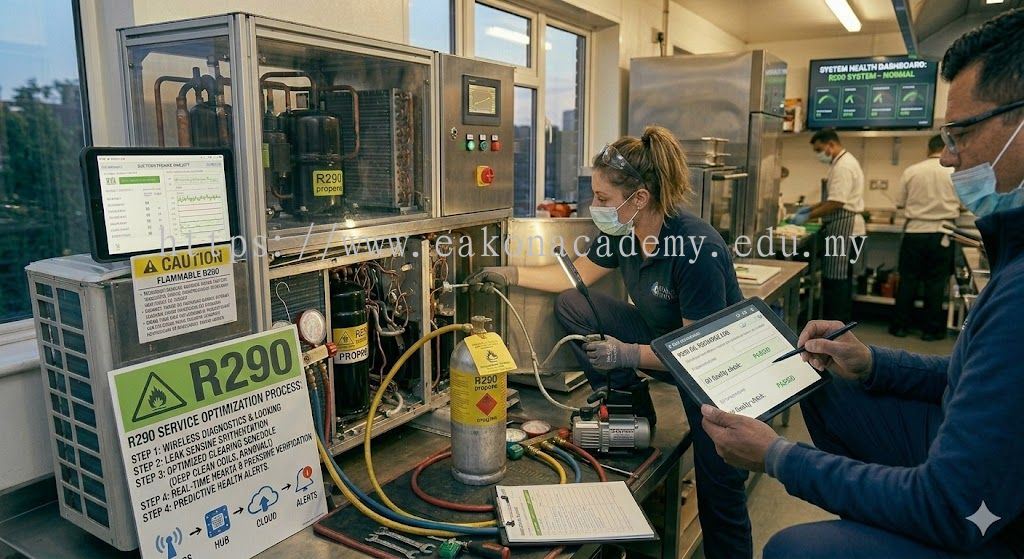
Propane refrigerant system maintenance is a critical aspect of modern HVAC-R (Heating, Ventilation, Air Conditioning and Refrigeration) engineering, especially with the increasing global shift toward environmentally friendly and low-GWP (Global Warming Potential) refrigerants such as R290 propane. Proper maintenance of propane-based refrigeration systems ensures not only optimal cooling performance but also long-term system reliability, energy efficiency, and most importantly, operational safety. Because propane is a flammable natural refrigerant, technicians must be trained to handle it with strict compliance to safety standards, leak prevention procedures, and precision servicing techniques. Regular maintenance practices include system inspection, refrigerant leak detection, pressure testing, compressor performance evaluation, heat exchanger cleaning, and verification of electrical components. These procedures help reduce breakdown risks, improve system lifespan, and ensure compliance with environmental regulations that promote sustainable refrigeration solutions. In addition, propane refrigerant systems require specialized servicing knowledge due to their unique thermodynamic properties, making professional training essential for HVAC technicians aiming to work in advanced refrigeration environments.
In the context of industry development and workforce training, propane refrigerant system maintenance plays a significant role in strengthening technical competency within the HVAC sector. As industries transition toward natural refrigerants, technicians must be equipped with updated knowledge on safe handling practices, recovery methods, and system optimization techniques. Proper maintenance not only prevents refrigerant leakage—which can contribute to environmental hazards—but also enhances system efficiency by maintaining correct refrigerant charge levels and ensuring optimal heat transfer performance. Educational institutions and technical academies such as Eakon Academy Malaysia provide structured training programs that focus on real-world HVAC applications, including propane refrigerant system servicing, troubleshooting, and preventive maintenance strategies. These programs are designed to meet industry demand for skilled technicians who can confidently work with flammable refrigerants while adhering to Department of Environment (DOE) guidelines and international safety standards. Through hands-on training and theoretical understanding, learners gain the ability to diagnose system faults, implement corrective actions, and perform maintenance procedures that ensure safe and efficient refrigeration system operation.
Furthermore, propane refrigerant system maintenance supports long-term sustainability goals by reducing greenhouse gas emissions and improving overall energy consumption efficiency. When HVAC systems are properly maintained, they operate at peak performance with reduced energy waste, lower operating costs, and minimized environmental impact. Preventive maintenance schedules, when consistently followed, help identify early signs of system wear and tear, allowing technicians to address issues before they escalate into major failures. This proactive approach not only enhances system durability but also supports regulatory compliance in industries that rely heavily on refrigeration technology such as food storage, cold chain logistics, supermarkets, and industrial cooling systems. As demand for eco-friendly refrigeration solutions continues to grow, expertise in propane refrigerant system maintenance becomes an essential skill set for modern HVAC professionals, ensuring both safety and sustainability in every application.
更多 EAKON ACADEMY SDN BHD 相关资料 Malaysia