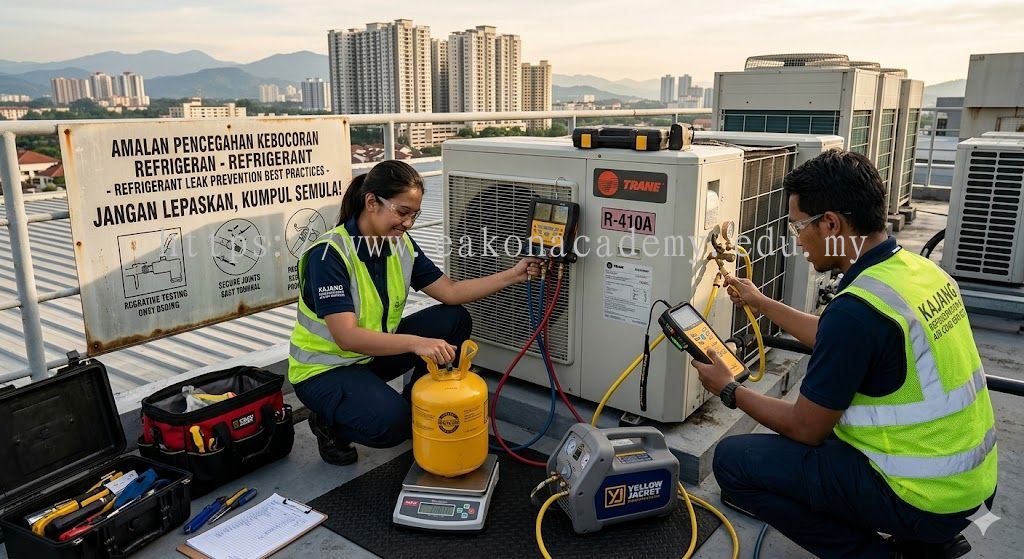
Refrigerant Leak Prevention: Strengthening HVACR Efficiency, Environmental Protection, and Sustainable System Performance
Refrigerant Leak Prevention is a fundamental practice in the HVACR (Heating, Ventilation, Air Conditioning, and Refrigeration) industry that focuses on reducing and eliminating the risk of refrigerant loss throughout the entire lifecycle of cooling and refrigeration systems. As environmental concerns continue to rise and global regulations become more stringent, preventing refrigerant leaks has become a critical responsibility for HVAC technicians, engineers, facility managers, and building owners. Refrigerants are essential for air conditioning and refrigeration systems used in commercial buildings, industrial facilities, hospitals, hotels, supermarkets, data centers, cold storage warehouses, and residential applications. However, when refrigerants leak into the atmosphere, they can contribute significantly to greenhouse gas emissions, reduce system efficiency, and increase operational costs. Therefore, implementing effective refrigerant leak prevention strategies is essential for sustainable HVACR operations and long-term environmental protection.
Refrigerant leak prevention refers to a comprehensive set of practices designed to avoid refrigerant escape from HVACR systems. These practices begin at the design and installation stage and continue through operation, maintenance, servicing, and eventual system decommissioning. By focusing on prevention rather than repair alone, organizations can significantly reduce refrigerant losses, improve system reliability, and enhance overall energy efficiency. Effective leak prevention not only supports environmental goals but also helps businesses reduce maintenance costs and extend equipment lifespan.
One of the most important aspects of refrigerant leak prevention is proper system design and installation. Well-designed HVACR systems with correctly sized components, high-quality piping, secure fittings, and proper brazing techniques are less likely to develop leaks over time. During installation, technicians must follow manufacturer guidelines, industry standards, and best practices to ensure system integrity. Pressure testing and commissioning procedures are essential steps in verifying that the system is properly sealed before operation begins.
Routine maintenance is another critical component of refrigerant leak prevention. Regular inspections help identify potential weak points in the system before they result in refrigerant loss. Components such as valves, seals, compressors, evaporators, condensers, and pipe joints should be checked periodically for signs of wear, corrosion, vibration damage, or loose connections. Preventive maintenance programs ensure that minor issues are addressed early, reducing the likelihood of major refrigerant leaks and system failures.
Advanced materials and components also play a role in refrigerant leak prevention. High-quality seals, corrosion-resistant piping, durable gaskets, and properly rated valves help improve system durability and reduce the risk of refrigerant escape. Selecting the right materials during system design and installation is essential for long-term leak prevention and system reliability.
Technician competency and training are essential for effective refrigerant leak prevention. HVACR professionals must be trained in proper installation techniques, refrigerant handling procedures, maintenance practices, and system diagnostics. Skilled technicians are better equipped to identify potential issues early and implement preventive measures that reduce the risk of refrigerant leakage. Continuous education ensures that technicians stay updated on evolving refrigerant technologies and industry best practices.
Proper refrigerant charging and system balancing are also important leak prevention strategies. Overcharging or undercharging a system can increase pressure imbalances and place unnecessary stress on system components, increasing the risk of leaks. Ensuring that refrigerant levels are correctly maintained helps optimize system performance and reduces the likelihood of mechanical failures.
Environmental monitoring and system tracking further enhance refrigerant leak prevention efforts. Modern HVACR systems may incorporate sensors and monitoring devices that track system performance, pressure levels, and refrigerant conditions. These technologies help identify abnormal conditions early, allowing maintenance teams to take corrective action before leaks occur.
Energy efficiency is closely connected to refrigerant leak prevention. Systems operating with proper refrigerant levels and no leaks perform more efficiently, consume less energy, and deliver more consistent cooling performance. Preventing refrigerant leaks reduces compressor strain, improves heat exchange efficiency, and lowers overall electricity consumption. This results in cost savings and improved environmental performance.
Environmental sustainability is a major driving force behind refrigerant leak prevention strategies. Many refrigerants have high Global Warming Potential (GWP), making even small leaks environmentally significant. Preventing refrigerant emissions helps reduce greenhouse gas contributions and supports global climate change mitigation efforts. Organizations that prioritize leak prevention demonstrate strong environmental responsibility and commitment to sustainable operations.
At eakonacadem.edu.my, HVACR professionals, technicians, engineers, and facility managers can access specialized training programs focused on refrigerant leak prevention, refrigerant handling, leak detection technologies, HVACR system maintenance, environmental compliance, and energy-efficient cooling solutions. These programs combine theoretical knowledge with practical hands-on training, enabling participants to develop the skills required to implement effective leak prevention strategies in real-world applications.
As environmental regulations continue to evolve and sustainability becomes a core priority for the HVACR industry, refrigerant leak prevention will remain an essential practice for responsible system management. Organizations that implement strong leak prevention strategies can reduce environmental impact, improve system reliability, lower operational costs, enhance regulatory compliance, and extend equipment lifespan. Through professional training and industry-focused education offered by eakonacadem.edu.my, HVACR professionals can gain the expertise needed to support sustainable refrigerant management and contribute to a cleaner, more efficient, and environmentally responsible future.
More detail about EAKON ACADEMY SDN BHD Malaysia