
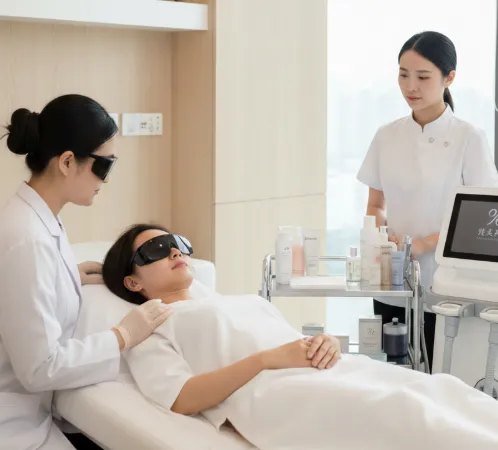
Pigmentation Laser Treatment in KL can be one of the most effective ways to improve dark spots, melasma, post-acne marks, and uneven skin tone when the treatment is properly planned by a doctor-led clinic. At Aglow Medical Group, we help patients understand the real cause of their pigmentation first, then recommend personalised laser solutions that are safer, more targeted, and more suitable for long-term skin improvement.
Many people who search for pigmentation treatment are not only looking for a fast result. They want to know why their pigmentation keeps coming back, whether laser treatment is safe for Malaysian skin, how many sessions they may need, and whether laser is better than skincare alone. This guide explains how pigmentation laser treatment works, what concerns it can help with, and how we support our patients at Aglow Medical Group with clear, doctor-led guidance from consultation to aftercare.
This treatment is commonly used for concerns such as melasma, sunspots, age spots, post-inflammatory hyperpigmentation, acne marks, and patchy skin tone. It works below the skin surface, which is why it can be more effective than relying on skincare products alone for stubborn pigmentation.
At Aglow Medical Group, pigmentation laser treatment is not treated as a generic aesthetic add-on. We see it as part of a structured skin management plan that must match the patient’s pigmentation type, skin condition, triggers, and long-term goals.
This is one of the biggest frustrations patients share with us. They may see short-term improvement after using brightening products, but the dark patches return because the trigger is still active. Pigmentation can be caused or worsened by:
At Aglow Medical Group, we do not just look at the pigment itself. We assess what is driving it. This is important because different types of pigmentation require different treatment strategies, and the wrong laser approach can sometimes worsen the problem instead of improving it.
Not all pigmentation is the same. Some patients have sun-induced pigmentation, some have post-inflammatory hyperpigmentation after acne, and others are dealing with melasma, which is more complex and more likely to recur. We assess the type of pigmentation carefully before recommending treatment.
Some pigmentation responds well to laser alone, while other cases need a combination of laser treatment, medical-grade skincare, inflammation control, or maintenance sessions. We tailor the plan to your skin rather than giving the same package to everyone.
Asian skin can be more prone to post-inflammatory hyperpigmentation if treated too aggressively. Our doctor-led approach helps reduce the risk of rebound pigmentation, unnecessary irritation, and overtreatment by selecting the right laser settings and treatment pacing.
Improving pigmentation is not only about removing visible spots. It is also about reducing recurrence and supporting healthier skin over time. That is why we often advise on sun protection, skincare support, maintenance care, and the management of other contributing factors.
Because Aglow Medical Group provides skin, hair, anti-aging, and wellness solutions under one group, we are able to look beyond surface-level concerns and recommend more complete solutions when needed. This gives patients more confidence that their treatment plan is based on real medical judgement, not guesswork.
| Type of Pigmentation | How Laser Treatment May Help |
|---|---|
| Melasma | May help lighten patches as part of a careful long-term management plan |
| Sunspots / Age Spots | Targets concentrated pigment caused by UV exposure |
| Post-Inflammatory Hyperpigmentation | Helps reduce marks left behind by acne or skin irritation |
| Freckles | May help reduce visible pigment clusters, depending on the case |
| Uneven Skin Tone | Supports a brighter, more even overall complexion |
At Aglow Medical Group, we explain clearly whether your pigmentation is likely to respond well to laser, whether a gentler approach is needed, and whether other treatments should be combined for better results.
It may, but the answer depends on the type and depth of pigmentation. Some dark spots respond faster than others. Melasma, for example, often requires a more cautious and ongoing management plan rather than a one-time treatment mindset.
Yes, when performed under proper medical supervision with suitable settings for your skin type. This is one reason why choosing a doctor-led clinic matters, especially for patients with sensitive skin or a history of pigmentation flare-ups.
The number of sessions varies based on the severity of the condition, the type of pigmentation, and how your skin responds. Mild concerns may improve more quickly, while melasma and deeper pigmentation often need a structured series of sessions with maintenance.
Yes, some forms of pigmentation can recur if triggers such as UV exposure, hormones, or inflammation are not controlled. That is why our team also guides patients on prevention, skincare, and aftercare strategies to support longer-lasting results.
Laser treatment can target pigment more deeply and often more efficiently than skincare alone, but both work best together. In many cases, skincare supports recovery, maintenance, and protection after laser sessions.
Most sessions are relatively quick, and downtime is usually minimal depending on the laser type used and your skin’s sensitivity. Some patients may experience mild redness or temporary sensitivity, but many are able to return to normal routines soon after treatment.
Many patients come to us after trying treatments that were too general, too aggressive, or not suited to their actual skin condition. Our approach is different because we explain the reasoning behind the treatment plan. We help you understand whether you are dealing with melasma, sun damage, post-acne marks, or another concern, and we recommend solutions accordingly.
We also believe that treating pigmentation is not just about appearance. For many people, pigmentation affects self-esteem, comfort without makeup, and overall confidence. That is why our doctors and team focus on both results and patient reassurance throughout the process.
If you are looking for Pigmentation Laser Treatment in KL, speak with Aglow Medical Group for a doctor-led consultation. We will help you understand the cause of your pigmentation, answer your concerns clearly, and recommend a treatment plan tailored to your skin, goals, and long-term results.
WhatsApp Us NowIn summary, Pigmentation Laser Treatment in KL can be a highly effective option for dark spots, melasma, and uneven skin tone when it is guided by proper diagnosis and a personalised medical plan. At Aglow Medical Group, we help patients move forward with greater confidence through doctor-led consultation, tailored laser solutions, and long-term skin support designed around their real concerns.

 Malaysia