
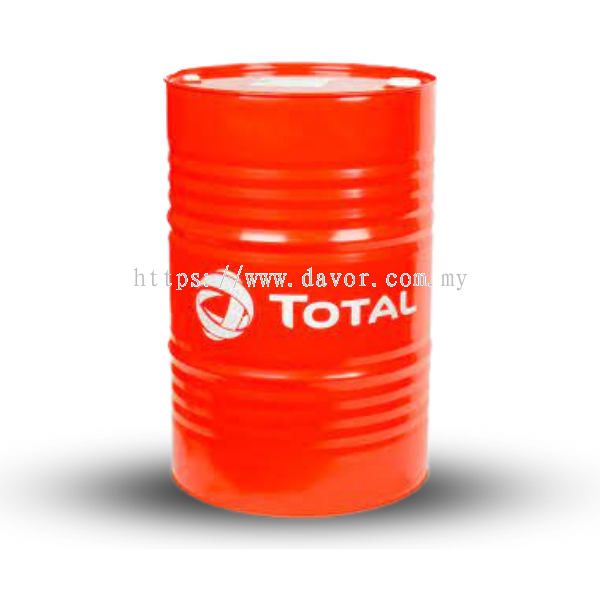
TL;DR: Choose total dacnis 32 if you operate a rotary screw air compressor oil system in Malaysia’s humid climate. Prioritize this ISO VG 32 mineral lubricant for standard industrial operations below 100°C to achieve fast oil-condensate separation, prevent water-induced emulsion, and optimize machinery efficiency.
Carbon build-up prevention: Prevents carbon formation on compressor components to maintain internal cleanliness.
Phase separation efficiency: Ensures rapid separation between oil and air streams, and between oil and water condensates.
Component wear protection: Delivers a continuous lubrication layer to safeguard moving parts against wear and corrosion.
Anti-clogging property: Extends the functional lifespan and operational efficiency of oil filters over long periods.
Enhanced oxidation stability: Resists thermal degradation and chemical fluid breakdown when exposed to heat and oxygen.
Base Oil Type: Mineral oil
ISO Viscosity Grade: 32
Density at 15°C: 875 kg/m³
Kinematic Viscosity at 40°C: 32 mm²/s
Viscosity Index: 100
Flash Point (Open Cup): 244°C
Pour Point: -27°C
Conradson Residue: 0.13%
Rotary Screw Compressors: Lubrication and cooling of oil-injected rotary screw air compressors requiring an ISO VG 32 fluid.
Standard Operating Temperature Production: Industrial compressed air systems where the operational discharge temperature does not exceed 100°C.
Heavy-Duty Compliance Environments: Systems demanding a mineral oil compliant with international ISO 6743-3 DAG & DAB specifications.
Where Not to Use: Do not use if discharge temperatures consistently exceed 100°C, where synthetic lubricants are preferred instead. Do not use DACNIS 32 in reciprocating air compressors, which require higher viscosity grades such as DACNIS 68, 100, or 150.
The high ambient humidity in Malaysia introduces constant water vapor into compressor air intakes. The fluid's specific high-performance additives ensure a clean separation between the oil and the accumulating water condensates. This keeps water from forming an emulsion with the mineral oil, preventing the fluid from losing its lubricating properties. Furthermore, its specialized oxidation stability and low carbon build-up characteristics ensure the fluid remains thermally stable below 100°C, maintaining low filter restriction and preserving overall compressor efficiency.
Suitable For: Factory maintenance engineers operating rotary screw air compressors with discharge temperatures under 100°C that need to reduce operating costs by optimizing filter and machinery efficiency.
Not Suitable For: Facility operators running high-temperature systems exceeding 100°C that require synthetic base oils, or maintenance teams servicing reciprocating compressors that require heavier viscosity lubricants.
Shut down the air compressor and completely isolate the equipment from the electrical grid.
Monitor the internal pressure gauge until the system depressurizes completely to zero bar.
Drain the used mineral oil entirely from the lowest drain points of the air/oil receiver tank and oil cooler lines while the system is still warm.
Replace the old oil filter and the air/oil separator elements to maximize the benefit of the fluid's anti-clogging properties.
Refill the compressor sump with fresh fluid until the level reaches the designated maximum mark on the oil sight glass.
Run the machinery briefly to distribute the lubricant, check for external leaks, shut down the system, and top off the fluid if the level drops below the midpoint.
Mixing Incompatible Oils: Topping up this mineral fluid with synthetic oils or different brands damages the additive package, negating the anti-wear and carbon prevention features.
Ignoring Extreme Discharge Heat: Allowing the compressor to run continuously above 100°C instead of upgrading to a synthetic lubricant accelerates fluid breakdown and component wear.
Neglecting Condensate Drainage: Leaving water to accumulate excessively in the sump can overwhelm the oil/condensate separation limit, increasing corrosion risks.
International Standards: Complies fully with the classification standard ISO 6743-3 DAG & DAB for heavy-duty compressed air applications.
Handling & Risks: When used strictly according to recommendations for its designated application, this mineral lubricant does not present any particular risk to operators.
Disposal Practices: Collect drained fluid in dedicated containers and transfer it to an approved industrial waste management vendor; do not dump used oil into environmental soil or water drains.
A Material Safety Data Sheet (MSDS/SDS) conforming to E.C. regulations can be downloaded directly from
.png)
(1).png)
What is the maximum operating temperature allowed for this mineral oil?
This fluid is suitable for compressed air applications where the discharge temperature remains at or below 100°C.
Can this specific viscosity grade be used in a reciprocating compressor?
No, DACNIS 32 is designed for screw compressors; reciprocating compressors require heavier grades such as DACNIS 68, 100, or 150.
How does this lubricant help lower factory operational costs?
It reduces operating costs by optimizing compressor efficiency, preventing carbon build-up, protecting parts from wear, and utilizing anti-clogging properties to keep filters running longer.
 Malaysia
