
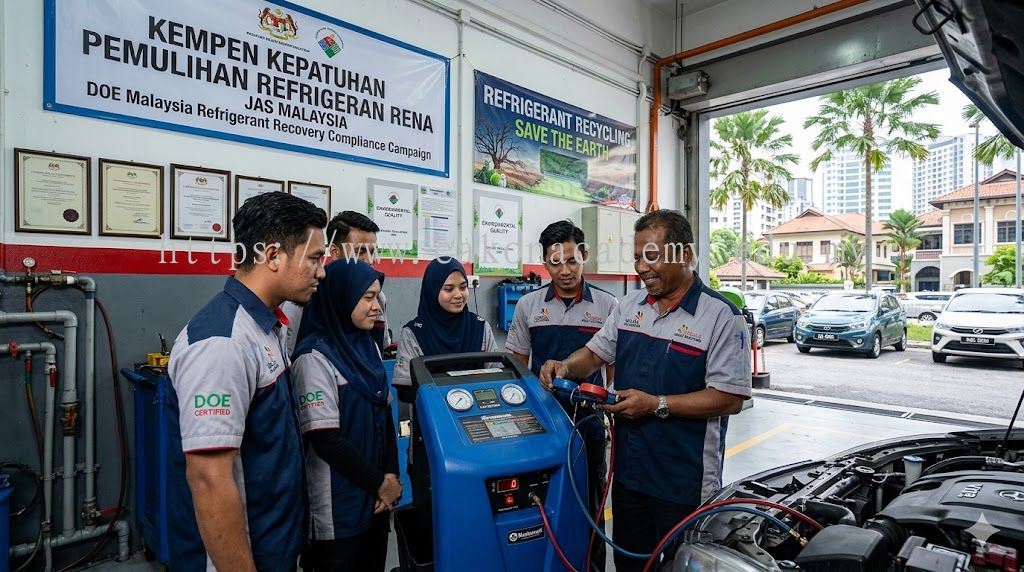
REFRIGERANT RECYCLING COMPLIANCE MALAYSIA DOE
Refrigerant recycling compliance in Malaysia DOE is a critical environmental requirement within the HVACR (Heating, Ventilation, Air Conditioning, and Refrigeration) industry that ensures recovered refrigerants are properly processed, purified, and reused in accordance with national environmental regulations. This compliance framework is enforced by the Department of Environment (DOE) and is aligned with global climate agreements such as the Montreal Protocol and the Kigali Amendment. The primary objective of refrigerant recycling compliance is to reduce the release of harmful refrigerants into the atmosphere, minimize environmental pollution, and promote sustainable refrigerant management practices across Malaysia’s HVACR sector.
In Malaysia, refrigerant recycling compliance focuses on the proper treatment of recovered refrigerants so they can be safely reused in HVACR systems without compromising system performance or environmental safety. Refrigerants such as high Global Warming Potential (GWP) hydrofluorocarbons (HFCs), as well as older ozone-depleting substances like CFCs and HCFCs, must undergo strict recycling processes before being reused. These processes involve filtering, drying, and separating impurities such as oil, moisture, and non-condensable gases. Only refrigerants that meet DOE-approved purity standards can be reintroduced into HVAC systems. This helps reduce dependency on newly manufactured refrigerants, lowering both environmental impact and operational costs.
A key component of refrigerant recycling compliance in Malaysia DOE is the use of certified recycling equipment and proper handling procedures. HVACR technicians are required to ensure that all recovered refrigerants are processed using approved recycling machines that meet industry standards. Improper recycling methods can lead to contamination, system inefficiency, and potential environmental hazards. Therefore, compliance regulations emphasize strict quality control, proper labeling, and accurate documentation of recycled refrigerants. This ensures traceability and accountability throughout the refrigerant lifecycle, supporting Malaysia’s broader environmental protection goals.
Training and professional certification are essential for achieving refrigerant recycling compliance in Malaysia. HVACR professionals must be equipped with the technical knowledge required to identify refrigerant types, operate recycling equipment, and ensure compliance with DOE environmental standards. Without proper training, improper recycling practices can result in system failures, environmental harm, and regulatory violations. Institutions such as Eakon Academy play an important role in providing structured HVACR training programs that focus on refrigerant recycling compliance, environmental regulations, and practical hands-on skills. These programs ensure that technicians are fully prepared to handle recycling processes safely and effectively.
Refrigerant recycling compliance also contributes significantly to energy efficiency and cost savings within the HVACR industry. Recycled refrigerants that meet quality standards can be reused in systems, reducing the need for new refrigerant production and lowering operational costs. Proper recycling also helps maintain system efficiency by ensuring that only clean and high-quality refrigerants are used. This leads to improved cooling performance, reduced energy consumption, and longer equipment lifespan. As energy efficiency becomes increasingly important, refrigerant recycling compliance offers both environmental and financial benefits for businesses and facility operators.
In addition to environmental and economic advantages, refrigerant recycling compliance supports Malaysia’s broader sustainability and climate action objectives. HVACR systems are major contributors to greenhouse gas emissions, and effective recycling practices help reduce the environmental impact of refrigerant use. Companies that comply with DOE recycling regulations demonstrate strong environmental responsibility, enhance their sustainability profile, and align with global green technology standards. Compliance also reduces the risk of penalties and ensures smoother regulatory approval for HVAC operations and maintenance activities.
In conclusion, refrigerant recycling compliance Malaysia DOE is a vital aspect of modern HVACR practices that ensures environmental protection, regulatory adherence, and resource efficiency. By following DOE guidelines, implementing proper recycling procedures, and participating in professional training programs offered by institutions such as Eakon Academy, HVACR professionals can strengthen their technical expertise and contribute to a more sustainable, efficient, and environmentally responsible future for Malaysia.
更多 EAKON ACADEMY SDN BHD 相关资料 Malaysia
