Why Cold Chain Logistics Matters in the Restaurant Industry
Cold chain logistics is one of the most important systems behind restaurant food safety, ingredient consistency, and cost control. It refers to how temperature-sensitive products are stored, handled, and transported from supplier to kitchen.
In today’s competitive F&B landscape, maintaining consistent quality across every dish depends heavily on how well ingredients are preserved before they even reach the chef.
In the restaurant industry, cold chain logistics is not just a supply function—it is a core part of food quality control.
What is Cold Chain Logistics?
Cold chain logistics is a temperature-controlled supply chain system that maintains perishable food products at specific low temperatures (typically -18°C or below) during storage, transportation, and handling to preserve safety and quality.
This system is essential for protecting the integrity of protein items, seafood, dairy, and other frozen ingredients used in restaurant operations.
Key Cold Chain Statistics Restaurants Should Know
- Frozen food should be stored at -18°C or below to maintain safety and quality (FoodSafety.gov)
- Up to one-third of global food production is wasted, with poor storage and logistics as key contributors (FAO)
- Malaysia's frozen food market is projected to grow at approximately 5.3% CAGR from 2025 to 2032 (industry reports)
- Temperature fluctuations are a leading cause of texture degradation and shelf life reduction in seafood and poultry
These insights highlight the growing importance of reliable cold chain systems, particularly in markets where restaurants depend on bulk frozen supply.
The Risks of Poor Cold Chain Management
When cold chain logistics breaks down, restaurants face more than just minor quality issues. The risks include:
- Increased likelihood of food contamination
- Inconsistent texture and taste in prepared dishes
- Higher levels of food waste and cost loss
- Disruptions to kitchen workflow and menu availability
- Damage to brand reputation and customer trust
For businesses that rely on stable ingredient performance, these risks can quickly impact profitability and consistency.
5 Common Cold Chain Failures Restaurants Face
1. Temperature Fluctuation During Delivery
Even short exposure to higher temperatures can partially thaw products, affecting quality.
2. Poor Packaging Insulation
Inadequate packaging allows heat exposure during transportation.
3. Delayed Logistics
Late deliveries increase the risk of compromised product conditions.
4. Refreezing Issues
Products that thaw and refreeze often lose moisture and texture integrity.
5. Inconsistent Supplier Handling
Different handling standards across deliveries lead to unpredictable results in the kitchen.
Proper Cold Chain vs Poor Handling
| Factor | Proper Cold Chain | Poor Handling |
|---|---|---|
| Food Safety | Maintained | Higher contamination risk |
| Texture | Consistent and intact | Damaged or degraded |
| Shelf Life | Longer and stable | Reduced |
| Taste Quality | Reliable | Inconsistent |
| Food Waste | Lower | Higher |
| Kitchen Efficiency | Predictable | Disrupted |
Why Cold Chain Is a Competitive Advantage for Restaurants
Cold chain logistics is not only about preservation—it is also a strategic advantage.
Restaurants that maintain a reliable cold chain can standardize food quality across multiple outlets, reduce reliance on daily fresh sourcing, and manage inventory with greater accuracy. It also allows for bulk purchasing, which improves cost predictability and reduces last-minute procurement pressure.
For growing F&B businesses, these advantages contribute directly to scalability and operational control.
What Restaurants Should Look for in a Cold Chain Supplier
Choosing the right supplier is essential for maintaining consistency. Key factors include:
- Strict temperature monitoring across storage and delivery
- Reliable and timely delivery schedules
- Strong packaging and insulation practices
- Clear product traceability
- Established food safety and quality control processes
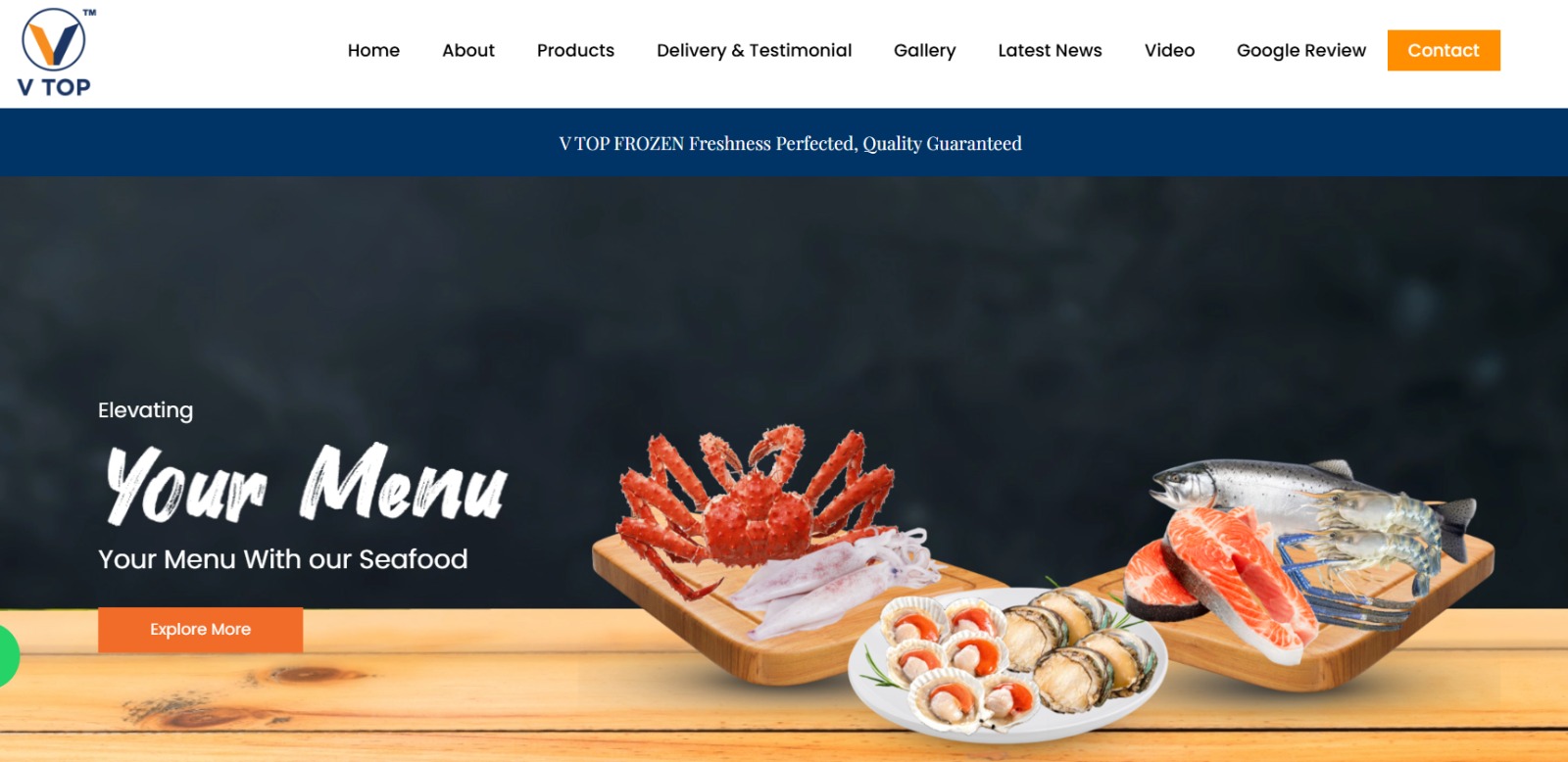
In Malaysia, many restaurants work with specialized frozen food suppliers that combine product quality with dependable cold chain logistics. One example is V Top Frozen Food Sdn Bhd, a Kuala Lumpur-based supplier supporting F&B businesses with a wide range of frozen products and services such as Rapid and Flexible Delivery, Freshness and Quality Guarantee, and Custom Products and Special Preparations.
Best Practices for Restaurants
Restaurants can strengthen their own cold chain handling by:
- Storing products immediately at -18°C or below
- Avoiding overcrowded freezers to maintain airflow
- Monitoring storage temperatures regularly
- Applying FIFO (first-in, first-out) inventory systems
- Checking deliveries for signs of thawing or damage
These practices help maintain ingredient quality and reduce operational risks.
Final Thoughts
Cold chain logistics plays a central role in modern restaurant operations. From preserving food safety to ensuring consistent taste and reducing waste, it directly supports both kitchen performance and customer satisfaction.
As the demand for frozen and ready-to-use ingredients continues to grow, restaurants that prioritize strong cold chain systems will be better positioned to maintain quality, control costs, and scale efficiently.

Register no. 1530469-U