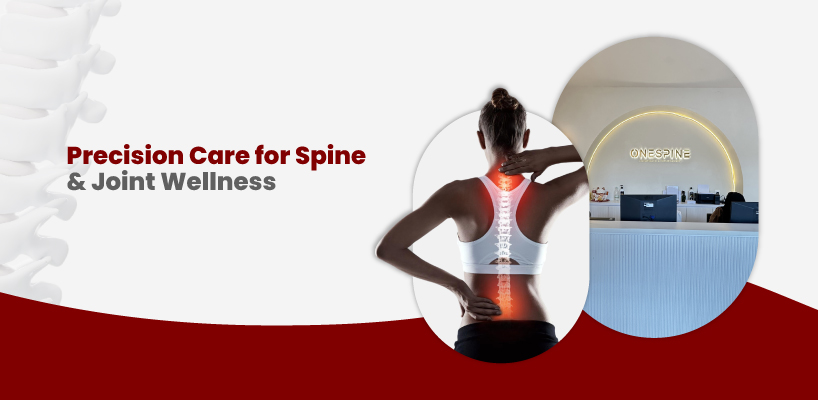
Why More Young Adults Are Experiencing Posture Problems
Posture problems are becoming more common among young adults, but the cause is not always as simple as “bad posture.” While slouching, phone use, and long sitting are often part of the issue, many posture-related problems are linked to how modern lifestyles affect movement, stress, strength, and body awareness.
Posture problems rarely appear overnight.
Clinics such as One Spine Chiropractic & Physiotherapy are seeing more young adults with neck stiffness, rounded shoulders, back discomfort, muscle tightness, and reduced mobility. In many cases, these problems develop because the body spends too much time in repeated positions and not enough time moving in different ways.
Modern Life Reduces Movement Variety
Daily life used to include more natural movement, such as walking, climbing stairs, carrying items, squatting, bending, and reaching. Today, many young adults repeat the same few positions for hours.
Common repeated positions include:
- Sitting at desks
- Looking at screens
- Driving or commuting
- Studying for long hours
- Lying in bed with devices
Many young adults in PJ now spend more time sitting, commuting, studying, or working on devices than previous generations. Over time, the body adapts to these repeated patterns.
The body adapts to what it repeats most.
When movement variety decreases, several changes may happen:
- Muscles may shorten
- Joints may stiffen
- Mobility may decrease
- Certain muscles may become overactive
- Other muscles may weaken
In other words, posture problems often develop through adaptation, not laziness. Concerns such as poor posture and rounded shoulders are often seen in people who spend long hours at computers or mobile devices.
Stress Can Affect Posture
Mental stress can change posture without a person noticing. When stressed, many people naturally hold tension in the upper body.
Common stress-related posture habits include:
- Raising the shoulders
- Tightening the jaw
- Holding the breath
- Leaning forward
- Reducing natural movement
For many young adults, this tension builds during busy daily routines.
Common lifestyle factors include:
- Work pressure
- Academic stress
- Poor sleep
- Long screen hours
- Reduced physical movement
- Constant digital stimulation
This is important because low-level muscle tension can slowly affect the neck, shoulders, and upper back. Over time, this may contribute to stiffness, discomfort, and recurring posture strain.
In some cases, problems such as muscle tightness and trigger points may return if stress, movement habits, and muscle imbalance are not addressed together.
The Problem Is Not Always About Perfect Posture
Many people believe they need to sit perfectly straight all day to avoid pain. However, the body is not designed to stay in one position for long periods, even if that position looks correct.
Movement variety matters more than many people realise.
Modern posture care focuses less on forcing a “perfect” position and more on:
- Movement
- Mobility
- Strength
- Adaptability
- Body awareness
A person with neat-looking posture may still feel pain if the body lacks strength or endurance. Another person with imperfect posture may feel fine if they move regularly and have better physical resilience.
For example, forward head posture is not always corrected by simply pulling the head back. It may require mobility work, strengthening, ergonomic changes, and better daily movement habits.
Young Adults Can Be Active but Still Mechanically Weak
Some young adults exercise regularly but still experience posture-related pain. This happens because looking fit does not always mean the body is functioning well mechanically.
In other words, fitness and movement quality are not always the same.
Gym training may strengthen larger muscles, but smaller stabilising muscles may remain weak. Hip mobility may be limited, core endurance may be poor, and shoulder stability may be underdeveloped.
These hidden weaknesses can affect posture in several ways:
- Tight hips can influence spinal position
- Weak core muscles can reduce sitting endurance
- Limited upper-back mobility can increase neck strain
- Poor shoulder stability can affect upper-body alignment
- Low muscular endurance can cause posture to collapse when tired
Over time, these issues can affect how the spine, neck, and shoulders handle daily posture demands. Structured post-injury rehab and strengthening can help improve muscular balance, movement control, and long-term support.
Why Sitting Often Makes Symptoms Worse
Many young adults feel worse after sitting but better after walking, stretching, or changing position. This usually happens because sitting reduces movement and places repeated load on the spine, hips, neck, and shoulders.
The issue is not always sitting itself.
The bigger problem is sitting too long without enough movement variation.
When the body lacks mobility or endurance, it may struggle to stay comfortable during:
- Desk work
- Studying
- Gaming
- Driving
- Long commutes
- Screen-based work
For many young adults, symptoms may improve once the body starts moving again. This pattern is explained further in why some people feel worse after sitting but better when moving.
How One Spine Chiropractic & Physiotherapy Approaches Posture Problems
One Spine Chiropractic & Physiotherapy approaches posture issues by looking beyond static posture. Instead of only telling patients to “sit straight,” the focus is often placed on how the body moves, where compensation occurs, and why tension keeps returning.
A posture-related assessment may look at:
- Spinal mobility
- Hip movement
- Shoulder mechanics
- Walking patterns
- Core stability
- Fatigue and compensation patterns
This helps identify why posture changes during daily life, especially when fatigue builds up.
Treatment may include:
- Chiropractic care to improve spinal and joint mobility
- Physiotherapy rehabilitation to retrain movement patterns
- Mobility exercises to restore range of motion
- Strengthening exercises to support posture endurance
- Lifestyle and ergonomic advice for healthier daily habits
For those seeking integrated care, One Spine’s physiotherapy services in KL and Petaling Jaya support posture, mobility, pain relief, and rehabilitation planning.
Final Thoughts
The rise in posture problems among young adults is not only caused by slouching or phone use. It is closely connected to reduced movement variety, stress, long sitting, poor endurance, limited mobility, and repetitive modern routines.
A better approach focuses on helping the body move well, stay strong, adapt to daily demands, and recover from repeated strain.
For young adults experiencing neck tension, back discomfort, rounded shoulders, or posture fatigue, early assessment may help prevent minor issues from becoming long-term movement problems.

Register no. 1275493-T