The Rise of Aesthetic Café Culture in Malaysia
Over the past few years, Malaysia has seen rapid growth in specialty cafés and visually themed dining spaces, particularly in urban commercial districts and lifestyle-focused neighbourhoods. Areas such as Kuala Lumpur, Petaling Jaya, Penang, Johor Bahru, and Melaka continue to experience increasing demand for cafés that combine food, coffee, atmosphere, and visual appeal into a single lifestyle experience.
Modern café culture in Malaysia is no longer focused only on coffee quality. Customers now pay attention to dining atmosphere, serving style, interior design, table presentation, and overall café identity. For many consumers, visiting a café has become part of a broader social and lifestyle activity rather than simply a dining decision.
This shift explains why aesthetic cafés have become one of the strongest trends within Malaysia’s F&B industry.
Social Media Changed How Malaysians Discover Cafés
Instagram, TikTok, and Facebook have significantly influenced how customers choose cafés today. Many people now discover new cafés through social media posts, food reviews, short-form videos, and customer recommendations instead of traditional advertising.
Because of this, cafés increasingly design spaces with social-media-friendly lighting, visually appealing interiors, and carefully styled food presentation in mind. Drinks, desserts, and café corners are often created to encourage photography and online sharing.
This trend has transformed visual presentation into a form of organic marketing. When customers post café photos online, the café gains visibility among potential new visitors without relying entirely on paid promotions.
As a result, cafés now place greater focus on:
- Ceramic coffee cups
- Minimalist table settings
- Glassware presentation
- Dessert plating
- Wooden serving trays
- Colour coordination and textures
These details help create stronger visual consistency and make cafés more recognizable online.
Experience-Based Dining Became More Important
Malaysia’s café culture is closely connected to changing lifestyle habits, especially among younger consumers and urban professionals. Cafés are commonly used for:
- Remote working
- Casual meetings
- Weekend gatherings
- Study sessions
- Content creation
- Relaxation after work
Because customers often spend longer periods inside cafés, comfort and atmosphere have become increasingly important. Soft lighting, cozy seating, calming interior concepts, and visually balanced table settings contribute to a more enjoyable dining experience.
Many cafés today are designed to feel immersive rather than purely functional. Japanese-inspired interiors, Korean-style cafés, industrial concepts, and minimalist spaces have all become highly popular across Malaysia’s café scene.
Specialty Coffee Culture Raised Presentation Standards
The growth of specialty coffee culture also contributed heavily to the popularity of aesthetic cafés in Malaysia. Customers are now more familiar with:
- Latte art
- Pour-over brewing
- Matcha beverages
- Single-origin coffee
- Artisan desserts
- Cold brew coffee
As customer knowledge increases, expectations naturally rise as well. Presentation is no longer treated as a secondary detail. Instead, serving style becomes part of the overall café experience.
A cappuccino served in a carefully selected ceramic cup often feels more refined than the same beverage served in generic drinkware. Similarly, layered iced drinks presented in transparent glassware create stronger visual appeal and improve customer perception before the first sip.
This explains why many modern cafés invest carefully in tableware selection, serving accessories, and beverage presentation.
Café Identity Now Relies Heavily on Visual Consistency
Malaysia’s café market has become highly competitive, especially in major cities where new café concepts appear regularly. Since many cafés offer similar menus, visual consistency has become one of the strongest ways businesses differentiate themselves.
Today, customers often remember cafés through:
- Signature serving styles
- Interior colour palettes
- Dessert presentation
- Specialty cups and mugs
- Tray styling
- Instagrammable corners
Some cafés focus on Scandinavian-inspired minimalism, while others adopt vintage themes, earthy Japanese aesthetics, or industrial-inspired interiors. These visual choices help shape a café’s personality and influence how customers emotionally connect with the space.
Interestingly, many successful cafés maintain highly coordinated presentation styles across their menus. Drinks, desserts, cups, plates, and serving trays are often selected carefully to match the café atmosphere rather than chosen randomly.
How Tableware Became Part of Modern Café Culture
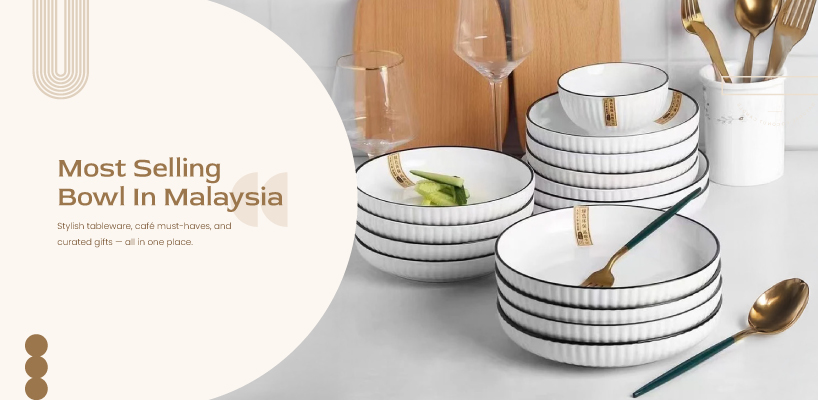
Tableware now plays a much larger role in Malaysia’s café industry than it did previously. Cups, plates, bowls, trays, and glassware are no longer viewed only as operational tools. They have become part of the café’s overall atmosphere and dining presentation.
For example:
- Minimalist cafés often use matte ceramic mugs and neutral-toned plates
- Dessert cafés may prefer textured ceramics for stronger visual contrast
- Specialty beverage cafés commonly use transparent glassware to highlight drink layers
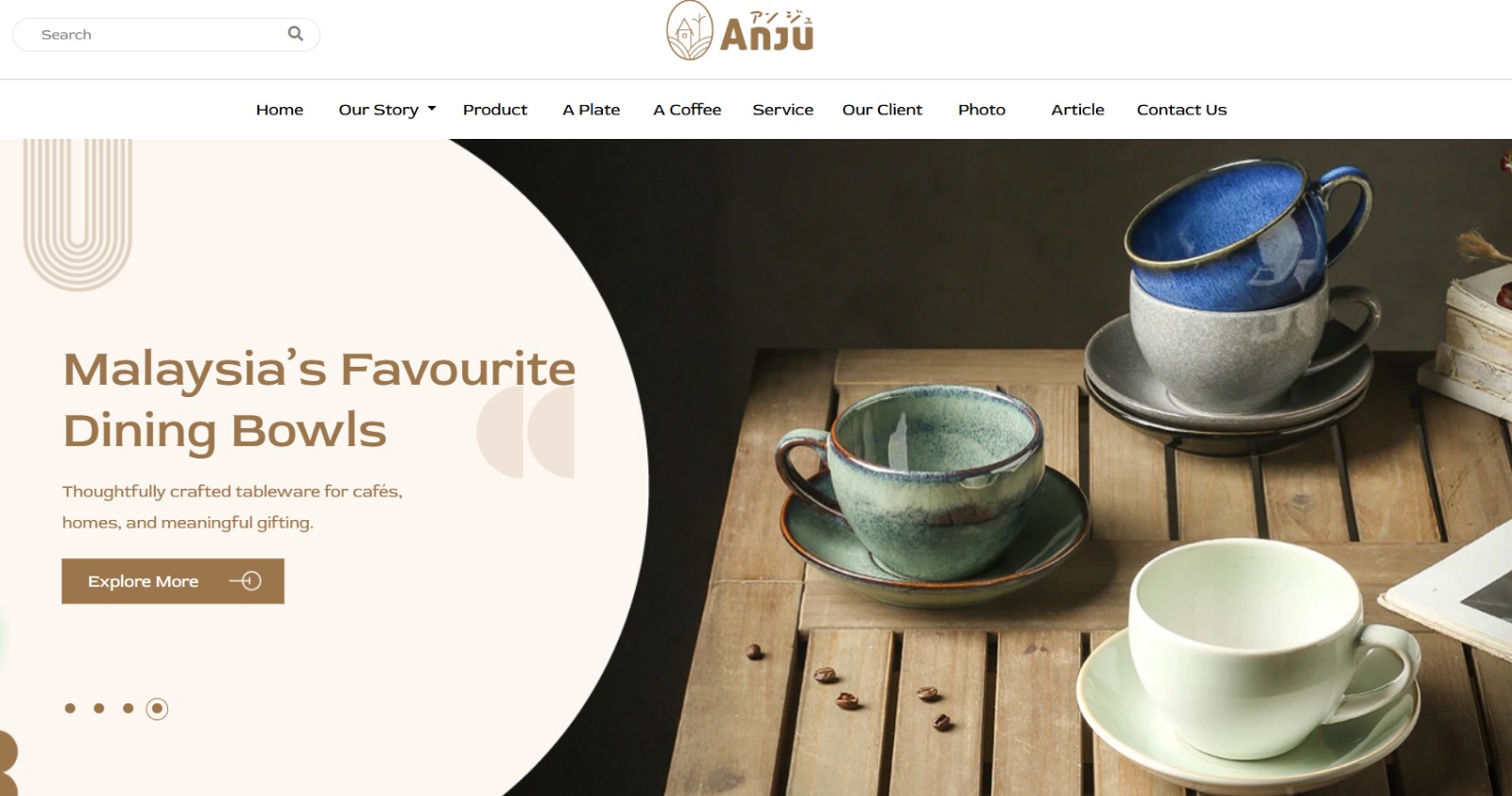
- Japanese-inspired cafés frequently use earthy ceramics and wooden trays
This shift has increased demand for commercial-ready aesthetic tableware throughout Malaysia’s growing café industry.
Many cafés now source items such as:
- Ceramic mugs
- Specialty coffee cups
- Double-layer glassware
- Wooden serving trays
- Artisan dessert plates
- Beverage presentation accessories
Businesses looking for café styling inspiration often explore industry resources such as:
- Café Tableware Pairing Ideas for Drinks and Desserts Malaysia
- Best Glassware for Iced Coffee, Matcha & Café Drinks Malaysia
- Latte Art Tools Malaysia for Professional Baristas
These types of café guides reflect how presentation and dining aesthetics have become increasingly important within Malaysia’s modern F&B landscape.
Growing Demand for Commercial Aesthetic Tableware
As café standards continue evolving, many businesses now look for tableware that combines both aesthetics and durability. Unlike household dining products, commercial café tableware must withstand frequent daily usage, commercial dishwashing, and continuous serving operations.
This has increased demand for:
- Commercial ceramic cups
- Café glassware
- Durable bowls and plates
- Barista accessories
- Serving trays
- Wholesale café tableware supply
For new café startups and expanding F&B businesses, suppliers that understand modern café trends are becoming increasingly valuable. Many operators now prioritize ready stock availability, consistent product collections, customization options, and wholesale supply support when sourcing café equipment and serving ware.
Conclusion
Aesthetic cafés became popular in Malaysia because consumers increasingly value atmosphere, visual presentation, comfort, and social experience alongside food and coffee quality.
Social media culture, specialty coffee trends, lifestyle-focused dining habits, and stronger competition within the café industry all contributed to this transformation. Cafés today are designed not only as places to dine, but also as immersive lifestyle environments that customers enjoy experiencing and sharing online.
As Malaysia’s café culture continues to evolve, presentation, visual consistency, and dining atmosphere will likely remain central to how cafés attract attention, strengthen identity, and build long-term customer loyalty.

Register no. 1582324-T