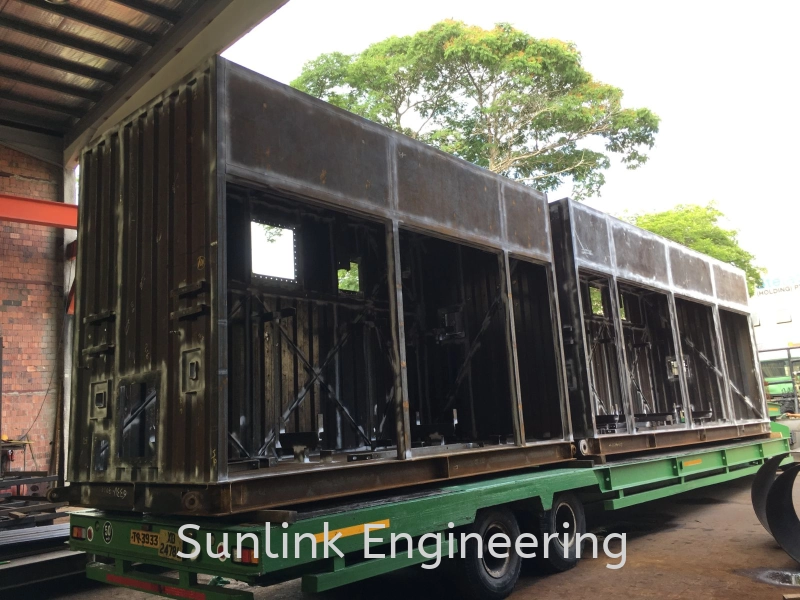
Fabricating for Harsh Environments: What to Consider
In the realm of metal fabrication, crafting for harsh environments is an undertaking of immense intricacy and discipline. As the backbone of numerous industrial sectors, crafted parts and structures must be able to withstand rigors of challenging conditions and deliver consistent performance. For this, careful incorporation of specific factors into the planning, design, and execution stage is crucial. Offering an in-depth insight into this subject, here are the key aspects to consider for fabricating for harsh environments.
1. Quality Assurance and Safety
Obtaining certifications like ISO 9001 (Quality) and ISO 45001 (Occupational Health & Safety) is a testimony to the fabricator's strong commitment to following the best industry practices. Keeping a keen eye on the quality and safety standards in both Singapore and Malaysia facilities ensures a seamless production process with few setbacks.
2. Material Selection
The materials utilized in fabrication must be resistant to the elements of the harsh environment where the final product will function. Material selection can greatly influence the lifecycle, performance, and overall quality of fabricated goods. Factors such as corrosion resistance, tensile strength, and temperature resilience should be a priority.
3. Precision Engineering
Precision engineering plays a vital role in withstand harsh environmental conditions. This may involve an array of factors from the calculation of tolerances and measurement accuracy to the detailed evaluation of blueprints and models. Ensuring all these factors are meticulously aligned with the fabricator's capabilities will result in a finished product that performs reliably under strenuous conditions.
4. Protective Coating Solutions
Protective coatings, such as paints or galvanized finishes, can safeguard the fabrications against corrosion, environmental stress, and physical damage, effectively prolonging their functional lifespan. The right choice of coating would depend on the specific environmental challenges at hand.
5. Advanced Fabrication Techniques
Adoption of advanced fabrication techniques and state-of-the-art machinery is paramount in maintaining precision and reducing inconsistencies. Laser cutting, CNC machining and high-definition plasma cutting are some techniques that yield high precision results while reducing the possibilities of damage or rework.
6. Logistics and Installation Planning
Identifying potential logistics and installation constraints before finalizing the design can pre-empt project hiccups. This could include access limitations at the installation site, crane capacity, transport dimensions, or installation sequencing.
Conclusion: Crafting Excellence in Challenging Conditions
Fabricating for harsh environments involves a meticulous understanding of the unique challenges brought about by demanding external conditions. A structured approach to factors like materials, protective solutions, precision, and logistics can help in mastering the art of fabricating in such environments.
Trust Sunlink Engineering for your fabrication needs. Being ISO Qualified (ISO 9001 and ISO 45001), we are primed for reliability and excellence, suitable for taking in orders internationally.
Sunlink Engineering Pte Ltd
Sunlink Engineering Sdn Bhd
📞 +65 9387 5463 (Call or WhatsApp) – Singapore
📞 +60 17 2140 411 (Call or WhatsApp) – Malaysia (JB)


 Malaysia