

Malaysia is set to introduce a carbon tax in 2026, marking a significant step towards its net-zero emissions target by 2050. Initially targeting high carbon-intensive sectors such as the iron, steel, and energy industries, the proposed tax rate is estimated to be around RM 35-45 (US$8-11) per tonne of carbon dioxide equivalent (tCO2e). This guide provides Malaysian businesses with a comprehensive overview of the impending carbon tax, its implications, and strategic budgeting insights to ensure compliance and foster a sustainable future.
The Malaysian government has reaffirmed its intention to implement a carbon tax in 2026, as highlighted in the Federal Budget 2026. This initiative is part of a broader National Carbon Market Policy, which aims to reduce emissions intensity by 45% by 2030. While the detailed design of the carbon tax is still being finalized, the initial focus on specific heavy-emitting sectors signals a clear direction towards a low-carbon economy.
National Carbon Market Policy: This policy will lay the foundation for the carbon tax and potentially a domestic Emissions Trading Scheme (ETS) under the 13th Malaysia Plan (2026-2030).
Targeted Industries: The iron, steel, and energy sectors are the primary targets for the initial phase of the carbon tax implementation.
Integration with International Mechanisms: Malaysia's carbon pricing efforts are also influenced by international developments like the European Union's Carbon Border Adjustment Mechanism (CBAM), which will impact Malaysian exporters from 2026 onwards.
The introduction of a carbon tax will have multifaceted impacts on businesses, particularly those in the targeted sectors. Companies will need to assess their carbon footprint, implement emission reduction strategies, and potentially adjust their operational costs.
Businesses in the iron, steel, and energy sectors will face direct costs associated with their carbon emissions. This necessitates strategic budgeting and potentially investments in cleaner technologies to minimize tax liabilities.
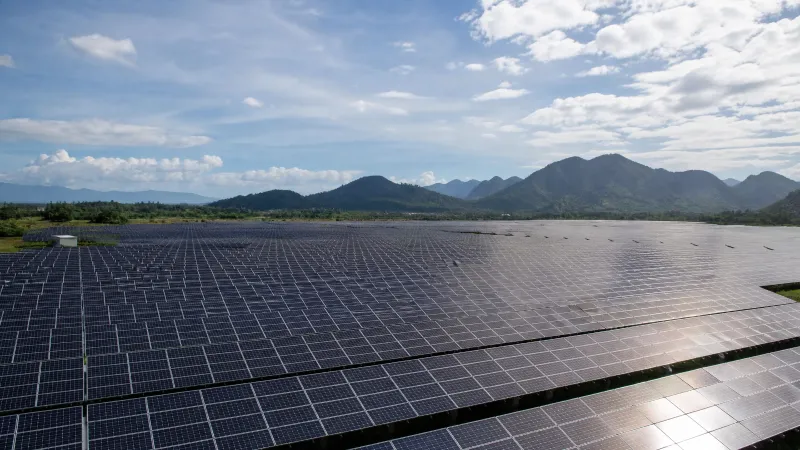
Companies will need to review their production processes, supply chains, and energy consumption to identify opportunities for emission reductions. This could involve adopting renewable energy sources, improving energy efficiency, and optimizing industrial processes.
The carbon tax could alter the competitive landscape, favoring businesses with lower carbon footprints. It may also encourage innovation in green technologies and sustainable practices.
The carbon tax will further emphasize the importance of Environmental, Social, and Governance (ESG) reporting. Businesses will need robust systems to measure, monitor, and report their greenhouse gas (GHG) emissions accurately.
Malaysian businesses can adopt several strategies to prepare for and mitigate the impact of the carbon tax:
Carbon Footprint Assessment: Conduct a thorough assessment of Scope 1, Scope 2, and Scope 3 emissions to identify major sources and reduction opportunities.
Energy Efficiency Improvements: Invest in energy-efficient technologies and practices to reduce overall energy consumption.
Renewable Energy Adoption: Transition to renewable energy sources where feasible to lower Scope 2 emissions.
Process Optimization: Implement cleaner production technologies and optimize industrial processes to reduce direct emissions.
Carbon Capture and Storage (CCUS): Explore CCUS technologies for hard-to-abate emissions, aligning with Malaysia's new CCUS legal framework.
Carbon Credit Utilization: Participate in carbon markets, such as Bursa Malaysia's Carbon Exchange (BCX), to offset emissions through the purchase of carbon credits.
| Industry Sector | Carbon Intensity (tCO2e/RM Million Revenue) | Illustrative Annual Carbon Tax Impact (RM) |
|---|---|---|
| Iron & Steel | 500 - 1500 | 17,500 - 67,500 |
| Energy (Power Generation) | 800 - 2000 | 28,000 - 90,000 |
| Cement | 400 - 1000 | 14,000 - 45,000 |
| Petrochemicals | 300 - 800 | 10,500 - 36,000 |
Note: These figures are illustrative and based on a hypothetical carbon tax rate of RM 40/tCO2e. Actual impacts will vary based on specific company emissions, tax rates, and exemptions.

A1: The Malaysian government has announced that the carbon tax will be implemented in 2026, with details expected to be finalized in the Budget 2026 proposals.
A2: The initial phase of the carbon tax will primarily target high carbon-intensive sectors, specifically the iron, steel, and energy industries.
A3: While the exact rate is subject to finalization, initial estimates suggest a carbon tax rate of approximately RM 35-45 (US$8-11) per tonne of carbon dioxide equivalent (tCO2e).
A4: Details on exemptions, rebates, or incentives are expected to be part of the finalized policy. Businesses are encouraged to monitor announcements from the Ministry of Natural Resources and Environmental Sustainability (NRES) and other relevant bodies.
A5: Businesses can prepare by conducting a comprehensive carbon footprint assessment, investing in energy efficiency and renewable energy, optimizing industrial processes, and exploring carbon offsetting mechanisms through carbon markets like Bursa Malaysia's Carbon Exchange (BCX).
A6: Bursa Malaysia has launched the Bursa Carbon Exchange (BCX), a voluntary carbon market that facilitates the trading of carbon credits. This provides an avenue for businesses to offset their emissions and contribute to Malaysia's climate goals.
The impending Malaysia Carbon Tax in 2026 signifies a pivotal moment for businesses to embrace sustainability and contribute to the nation's climate objectives. By proactively understanding the regulatory landscape, assessing their carbon footprint, and implementing strategic mitigation measures, Malaysian companies can not only ensure compliance but also unlock new opportunities for innovation and competitive advantage in a low-carbon economy.

 Malaysia