
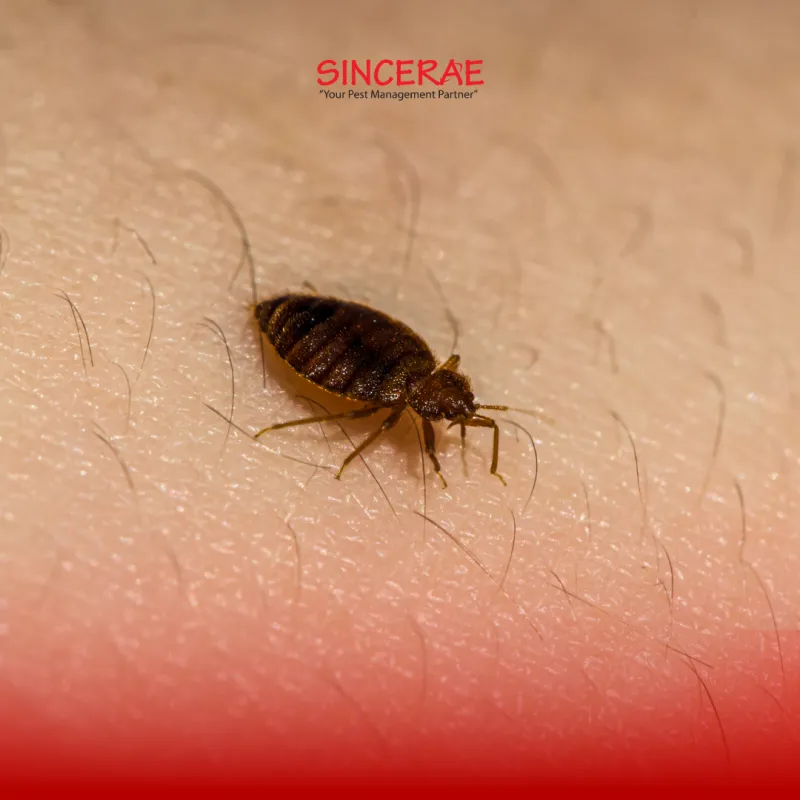
Bed bugs are becoming a growing problem in many homes and apartments across Malaysia, especially in high-density areas like Kuala Lumpur, Selangor, and other urban housing environments. Once they get into your mattress, sofa, or bedroom furniture, they don’t just disappear on their own—and this is where many homeowners get caught off guard.
One of the most common questions we hear from customers is simple: how many bed bug treatments are actually needed to fully eliminate them?
The honest answer is that bed bug treatment in Malaysia is rarely a one-time solution. In most cases, it takes more than one visit to completely break their life cycle and stop the infestation from coming back.
For most residential bed bug infestations in Malaysia, professional pest control companies typically recommend three treatments. This is considered the standard approach for effective bed bug control. If today, a pest control service provider told you that one treatment is enough, this is a red flag.
If the problem has been left untreated for weeks or has already spread to multiple rooms, it is not unusual to require three or more treatments to fully resolve the issue.
The key point here is not just the number of treatments, but the timing between them. Proper scheduling is what makes the treatment effective.
A proper bed bug treatment plan in Malaysia usually follows a structured timeline based on the insect’s life cycle.
The first treatment focuses on reducing the active population. This includes adult bed bugs that are currently feeding and hiding in mattresses, furniture, and surrounding areas. Many homeowners will notice a significant reduction in bites and activity shortly after this stage, although it does not mean the problem is fully solved yet.
Around 4 to 4 days later, a second treatment is carried out. By this time, any eggs that survived the first treatment may have started to hatch. These newly emerged bed bugs are more vulnerable, which makes the second treatment crucial in breaking the breeding cycle. Without this step, the infestation often returns.
After another 3-4 days, the third and last treatment will be carried out. This final round ensures that any late hatchers or hidden pockets of infestation are fully eliminated, especially in hard-to-reach areas like bed frames, furniture joints, or wall gaps.
In Malaysia, one of the most common reasons bed bugs return is because the treatment was not completed in full cycles. Some homeowners stop after the first treatment once they see improvement, but this usually allows surviving eggs to hatch and restart the infestation.
Another factor is untreated surrounding areas. Bed bugs don’t only stay on the bed—they can spread into sofas, curtains, luggage, and even adjacent rooms. If these areas are not properly treated, reinfestation can happen even after successful spraying in one room.
It is important to understand that even after professional bed bug treatment, it is normal to still notice occasional activity for a short period. Some people may still see a few bites or isolated bugs within the first one to two weeks after treatment.
However, the difference is that the activity should gradually reduce after each session. If the treatment plan is followed correctly, the infestation will eventually stop completely after the full cycle is completed.
If you are noticing signs of bed bugs in your home, it is best to act early before the infestation spreads further. Early treatment always means faster control, fewer repeat visits, and better long-term results.

 Malaysia