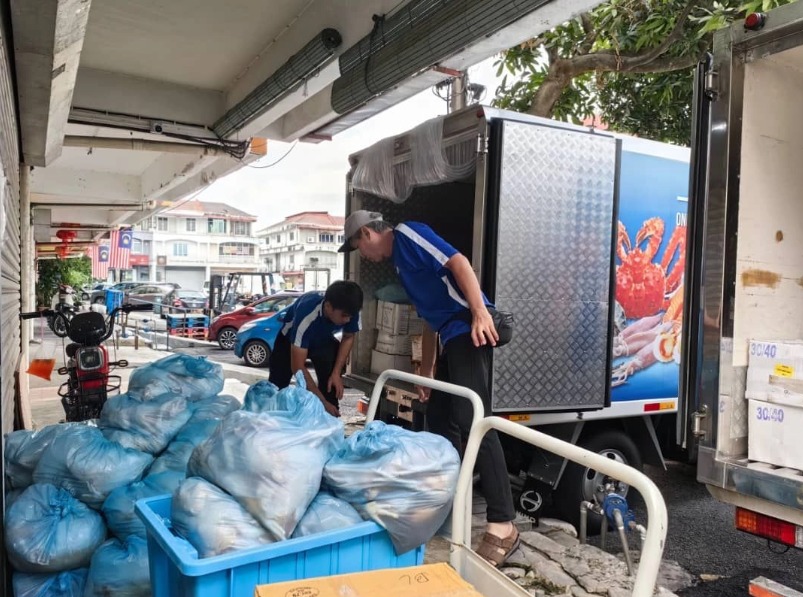
Top Food Safety Practices for Frozen Food Handling
Food safety is a non-negotiable priority in the handling of temperature-sensitive products. From processing to storage and delivery, every step must be controlled to preserve quality and prevent contamination.
For restaurants and food businesses, proper handling is not just about compliance—it directly affects consistency, efficiency, and customer trust.
In modern food operations, food safety is not just a compliance requirement—it is a core part of operational consistency and brand reputation.
What Is Frozen Food Safety?
Frozen food safety refers to the processes and standards used to ensure that perishable ingredients remain safe, uncontaminated, and high in quality during freezing, storage, transportation, and handling.
This includes maintaining proper temperatures (typically -18°C or below), preventing contamination, and ensuring traceability across the supply chain.
Key Frozen Food Safety Statistics
- Frozen food should be stored at -18°C or below to maintain safety (FoodSafety.gov)
- Up to one-third of global food is lost or wasted, often linked to storage and logistics issues (FAO)
- Temperature fluctuations are a major cause of quality degradation in seafood and poultry
- Demand for frozen food in Malaysia continues to grow due to convenience and scalability in F&B operations
These insights reinforce why proper cold storage and handling systems are essential for modern food businesses.
Key Frozen Food Safety Standards at a Glance
- Frozen products should be stored at -18°C or lower
- Avoid thaw-refreeze cycles
- Maintain strict hygiene and handling practices
- Use protective, food-grade packaging
- Ensure full traceability across the supply chain
1. Strict Cold Chain Management
Maintaining a consistent cold chain is the foundation of safe frozen food handling. Learn more about how cold chain logistics impacts restaurant operations and why it plays a central role in food quality.
This includes temperature-controlled storage, transport, and delivery from supplier to kitchen. Continuous monitoring ensures products remain frozen without fluctuation, preventing bacterial growth and preserving texture.
Suppliers that provide structured logistics systems—such as Rapid and Flexible Delivery and One-Stop Delivery Service—help reduce risks associated with inconsistent handling.
2. High-Level Hygiene and Handling Standards
Food safety depends heavily on proper handling practices.
Top operators enforce strict hygiene protocols, including protective clothing, routine sanitation of equipment, and controlled handling environments. These measures significantly reduce contamination risks during processing and packaging.
3. Advanced Freezing Technology
Modern freezing methods are essential for preserving product integrity.
Techniques such as blast freezing and IQF (Individually Quick Frozen) rapidly reduce temperature, locking in nutrients and maintaining structure. Faster freezing prevents large ice crystal formation, which can damage texture and reduce product quality.
4. Secure and Food-Grade Packaging
Packaging acts as a critical protective barrier.
Airtight, moisture-resistant materials prevent freezer burn, contamination, and dehydration. Clear labeling ensures proper storage and handling, reducing the likelihood of errors during kitchen use.
5. Real-Time Temperature Monitoring
Continuous monitoring ensures cold storage products remain within safe temperature ranges.
Digital sensors track conditions during storage and transportation, while alert systems detect deviations. Data logging provides transparency and supports compliance with food safety standards.
6. Compliance with Food Safety Standards
Reliable suppliers follow internationally recognized frameworks such as:
- HACCP (Hazard Analysis Critical Control Point)
- ISO food safety standards
- Local regulatory requirements
These systems ensure consistent control across all stages of the supply chain.
7. Quality Control and Traceability
Traceability is essential for managing risk.
Batch tracking systems, regular testing, and supplier verification help maintain consistent quality. If issues arise, products can be quickly identified and removed from circulation, minimizing disruption.
Why Food Safety Is a Competitive Advantage
Strong food safety systems provide measurable business benefits.
Restaurants that maintain consistent standards experience better product performance, reduced waste, and more predictable operations. This allows for improved cost control and easier scalability across multiple locations.
In Malaysia, many restaurants work with specialized frozen food suppliers that integrate safety, logistics, and quality control into their operations. One example is V Top Frozen Food Sdn Bhd, which supports F&B businesses with structured supply systems and services such as Freshness and Quality Guarantee and Custom Products and Special Preparations.
What to Look for in a Frozen Food Supplier
Choosing the right supplier is critical for maintaining food safety. Key factors include:
- Reliable cold chain systems
- Strong hygiene and handling practices
- Use of advanced freezing technology
- Consistent delivery performance
- Transparent traceability processes
- Flexible purchasing options, including Bulk Orders and Preferred Pricing
Final Thoughts
Ensuring the safety of frozen food requires more than just keeping products cold. It involves a complete system of temperature control, hygiene, monitoring, packaging, and compliance.
For restaurants and food businesses, adopting these best practices helps maintain consistent quality, reduce operational risks, and build long-term customer trust.

Register no. 1530469-U